


Fire Chief Welcome
Welcome to the Sheldon Community Fire & Rescue website. We hope to reach out to the community and provide safety tips, fire prevention techniques, and useful resources.
The department has been in service since 1955, and began with the merger of 2 departments.
The men and women that make up the department are your neighbors, friends, and relatives, and are actively involved in the community. We are striving to make this a better place to work, live and raise your family.

Facilities
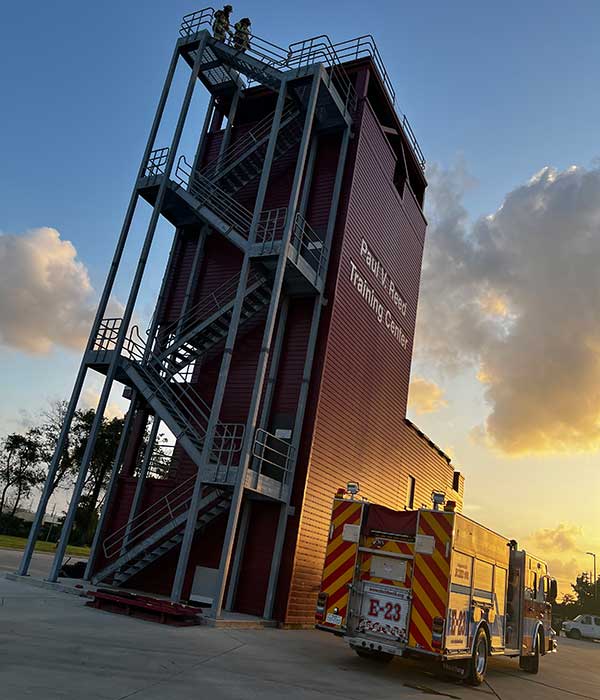
Sheldon Community Fire and Rescue has a long-standing commitment and history of providing a rapid response time from one of our 4 stations.
Personnel
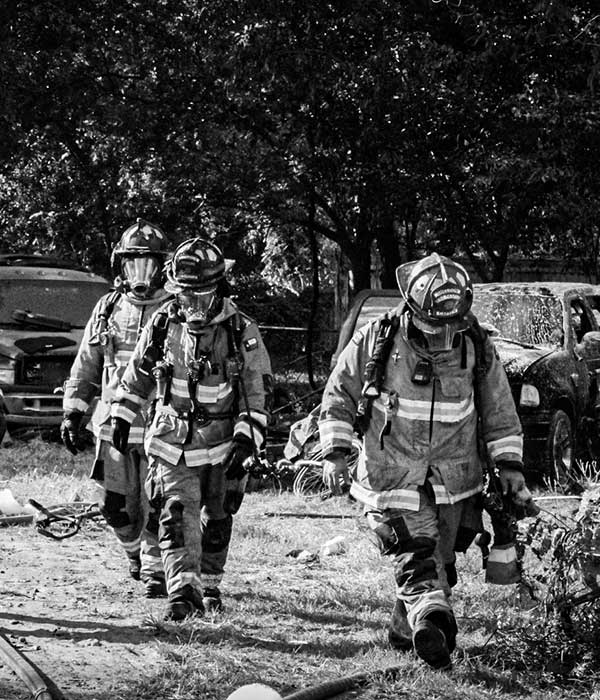
We are staffed by personnel that consider the community and residents their home and family.
Latest News
We strive to keep the public up-to-date on what’s going on in our community. See below for the latest news from Sheldon Community Fire & Rescue.

The best and easiest time to change your smoke alarm batteries is during daylight saving time changes (when you "spring forward" or "fall back"), or exactly once every year on a memorable date. Here are the optimal schedules and signs to look out for:
📅 The Recommended Schedule
• Standard Alkaline Batteries (9V, AA, or AAA): Replace them at least once a year. Many safety organizations suggest doing it twice a year when you reset your clocks for daylight saving time.
• 10-Year Sealed Lithium Alarms: Do not change these. These units have a non-replaceable battery designed to last the entire lifespan of the alarm. If it starts chirping, you must replace the entire smoke detector.
🚨 Critical Times to Change Them Immediately
• When it "chirps": A single, periodic beep every 30 to 60 seconds is the built-in warning that the battery power is critically low.
• When moving into a new home: Unless you know exactly when the previous owner replaced them, start fresh by putting in brand-new batteries immediately.
🛠️ Pro-Tip: The "Test" Routine
While batteries should be replaced annually, you should test the alarm monthly by holding down the test button until it lets out a loud beep. If the sound is weak or nonexistent, change the battery right away regardless of the calendar date.

Don’t forget application deadline is 11/25/2026. Go to our website for more details.

0 CommentsComment on Facebook

Here are essential Halloween safety tips to keep children, families, and drivers safe:
Costume Safety
• Be seen: Choose bright or light-colored costumes, and add reflective tape or stickers to outfits and treat bags.
• Light the way: Have kids carry flashlights or glow sticks.
• Improve vision: Use face paint or non-toxic makeup instead of masks that can block peripheral vision. Skip non-prescription decorative contact lenses, which can damage eyes.
• Prevent trips: Pick the right size costume and avoid long, trailing fabric that can cause falls.
• Check props: Ensure toy weapons like swords, wands, or pitchforks are flexible with smooth or rounded tips.
• Fire resistance: Look for costumes labeled as flame-resistant.
Trick-or-Treating & Walking Safety
• Supervision: Accompany children under the age of 12. Older kids should stay in groups and follow a pre-established route with a set curfew.
• Use sidewalks: Stick to sidewalks and well-lit areas. If there is no sidewalk, walk on the far edge of the road facing traffic.
• Cross safely: Cross only at corners and marked crosswalks. Make eye contact with drivers, look left-right-left, and never dart out from between parked cars.
• Golden rules: Never enter a stranger's house or get into an unknown vehicle. Only visit homes with a turned-on porch light.
Candy & Food Safety
• Inspect treats: Check all candy in a well-lit area before anyone eats it.
• Throw out suspicious items: Discard any unwrapped items, homemade goods, or commercial wrappers with tears, pinholes, or discoloration.
Home & Decoration Safety
• Clear paths: Sweep leaves, garden hoses, toys, and other obstacles off walkways and steps to prevent trips.
• Safe lighting: Use battery-operated candles or glow sticks inside jack-o'-lanterns instead of real flames. Keep decorations away from heaters and open fires.
Driver Safety
• Slow down: Reduce your speed and watch out in residential neighborhoods where children may cross unexpectedly.
• Stay alert: Watch out for dark clothing at twilight, check driveways carefully, and avoid all distractions.

0 CommentsComment on Facebook


New High Profile Vehicle
Sheldon Community Fire and Rescue just got in our new High Profile Vehicle. Needs a new red paint job. Thanks to Probationary FF. Hernan Venegas for being involved with getting this vehicle donated to our department.

Construction Has Begun
Construction has begun on our Training Tower and Burn Building.
0 CommentsComment on Facebook